Short answer
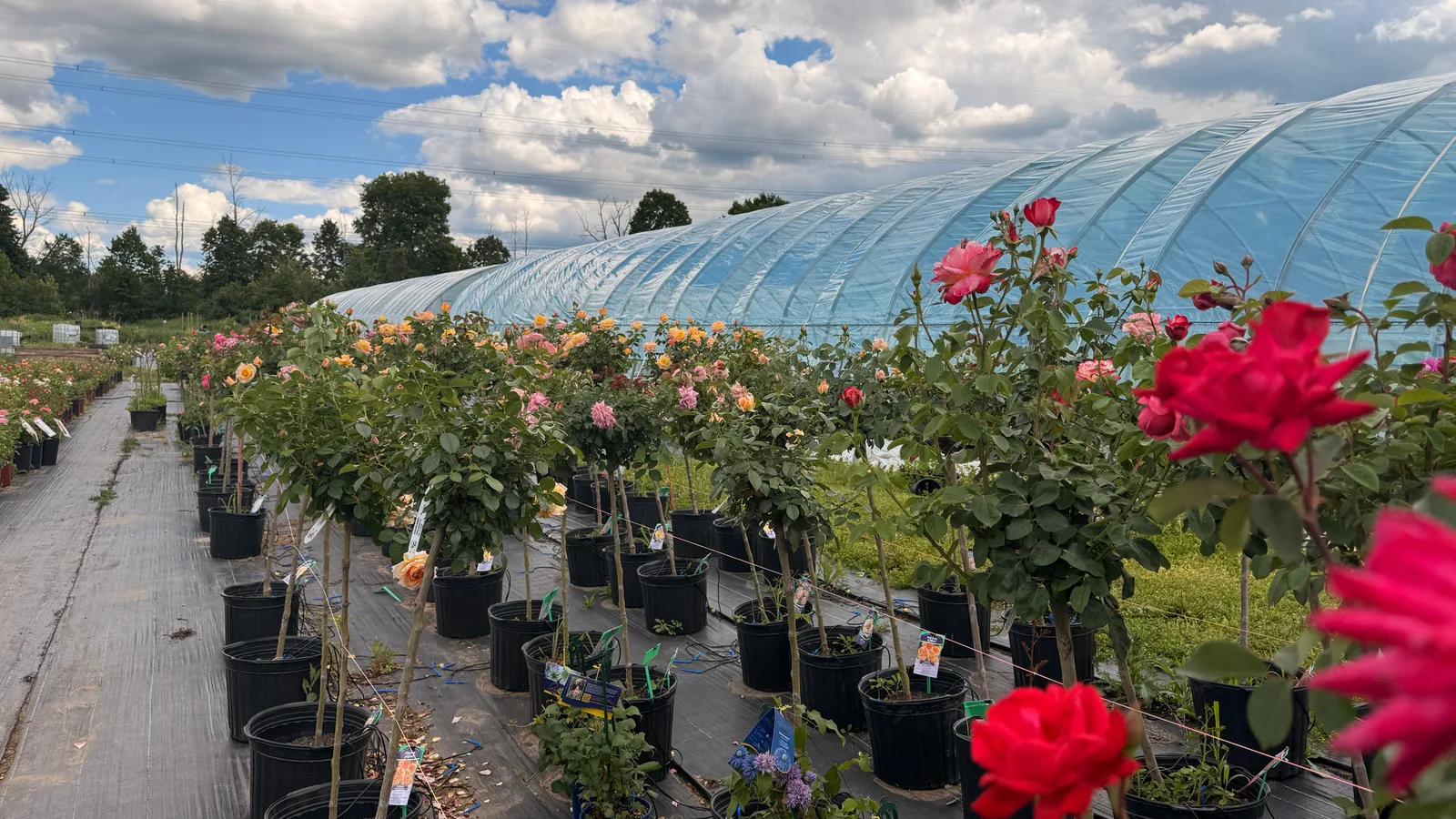
A rose tree is a living standard rose that adds height, fragrance, and repeat bloom to a sunny Ontario garden, but it needs the right site, winter protection, and local pickup planning.
A Rose Tree in Our Garden: Choosing a Living Rose Plant for the West GTA
A rose tree can make a garden feel intentional the moment you see it. Unlike a cut bouquet that lasts for days, a living rose tree becomes part of the garden structure: a fragrant focal point near a front walkway, a pair of matching standards by a patio, or a single specimen in a large container where its blooms can be enjoyed up close.
For local rose buyers in Oakville, Milton, Mississauga, Thornhill, and the West GTA, the best rose tree is not simply the one with the biggest flowers on the day of purchase. It is the plant that fits your sun exposure, winter conditions, fragrance preference, and long-term garden style. At Rosestyle, the focus is on living rose plants, including specialty selections and hard-to-find varieties, so the choice should be made like a garden investment rather than a quick floral purchase.
What Do Gardeners Mean by "Rose Tree"?
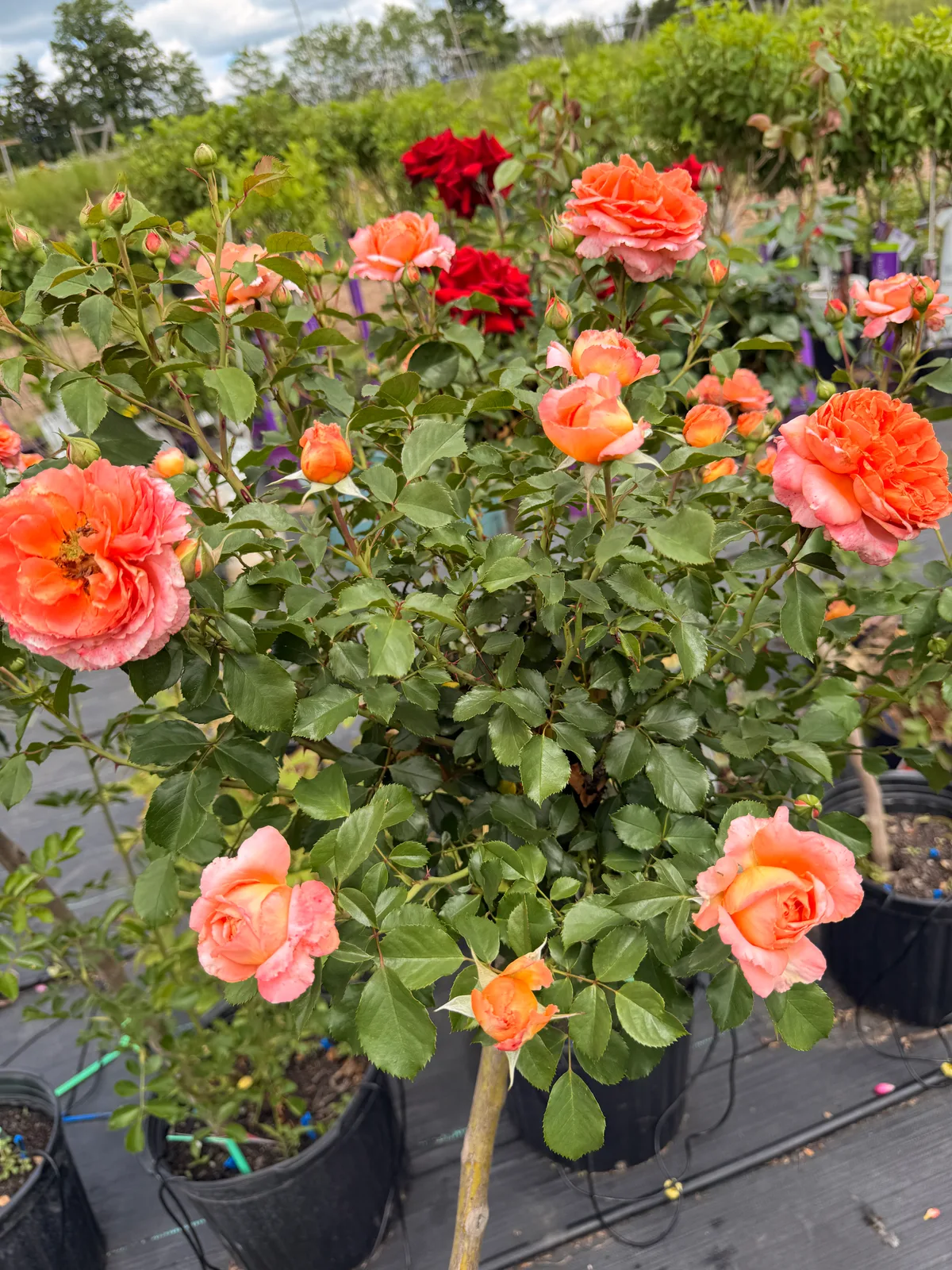
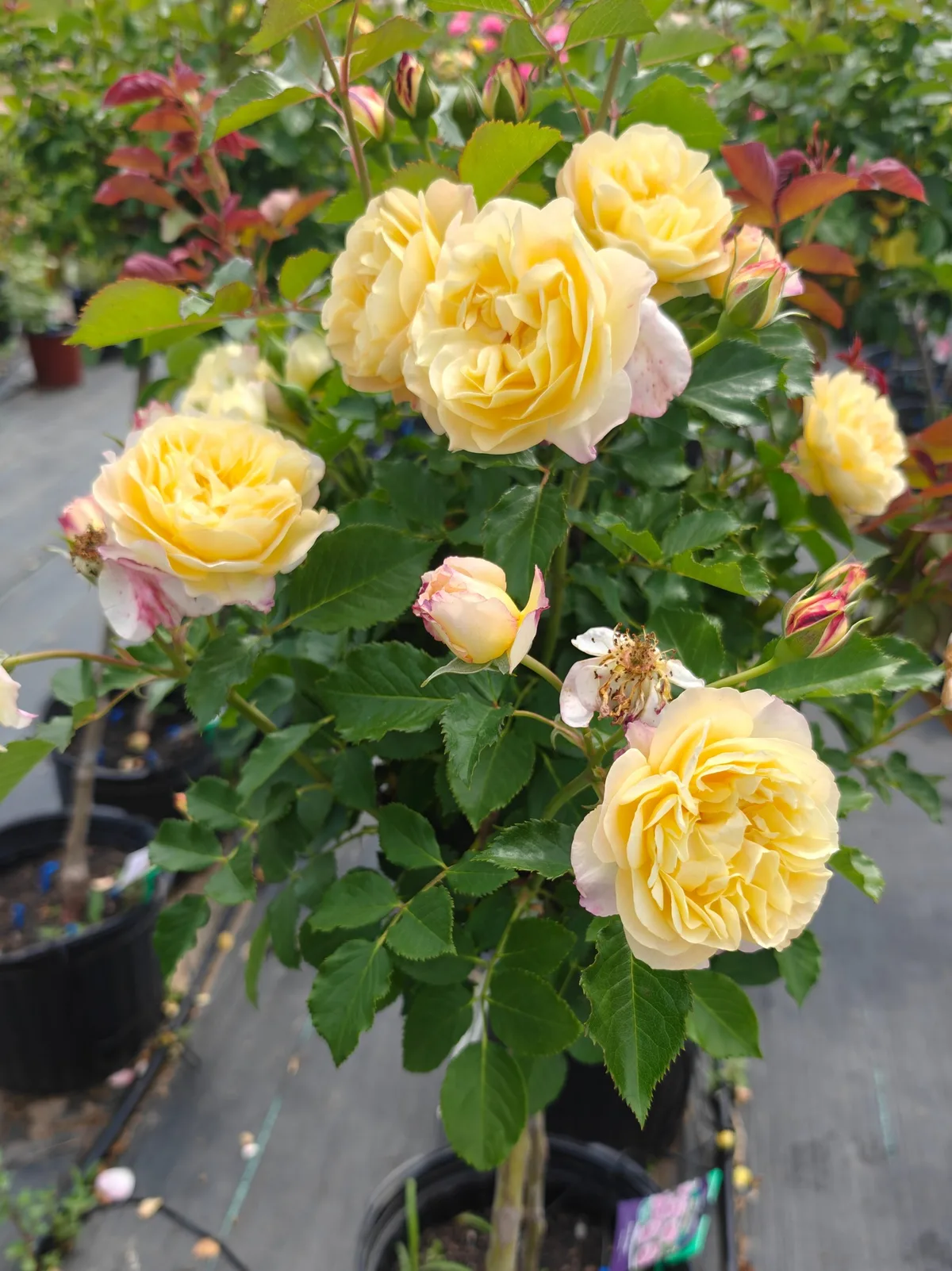
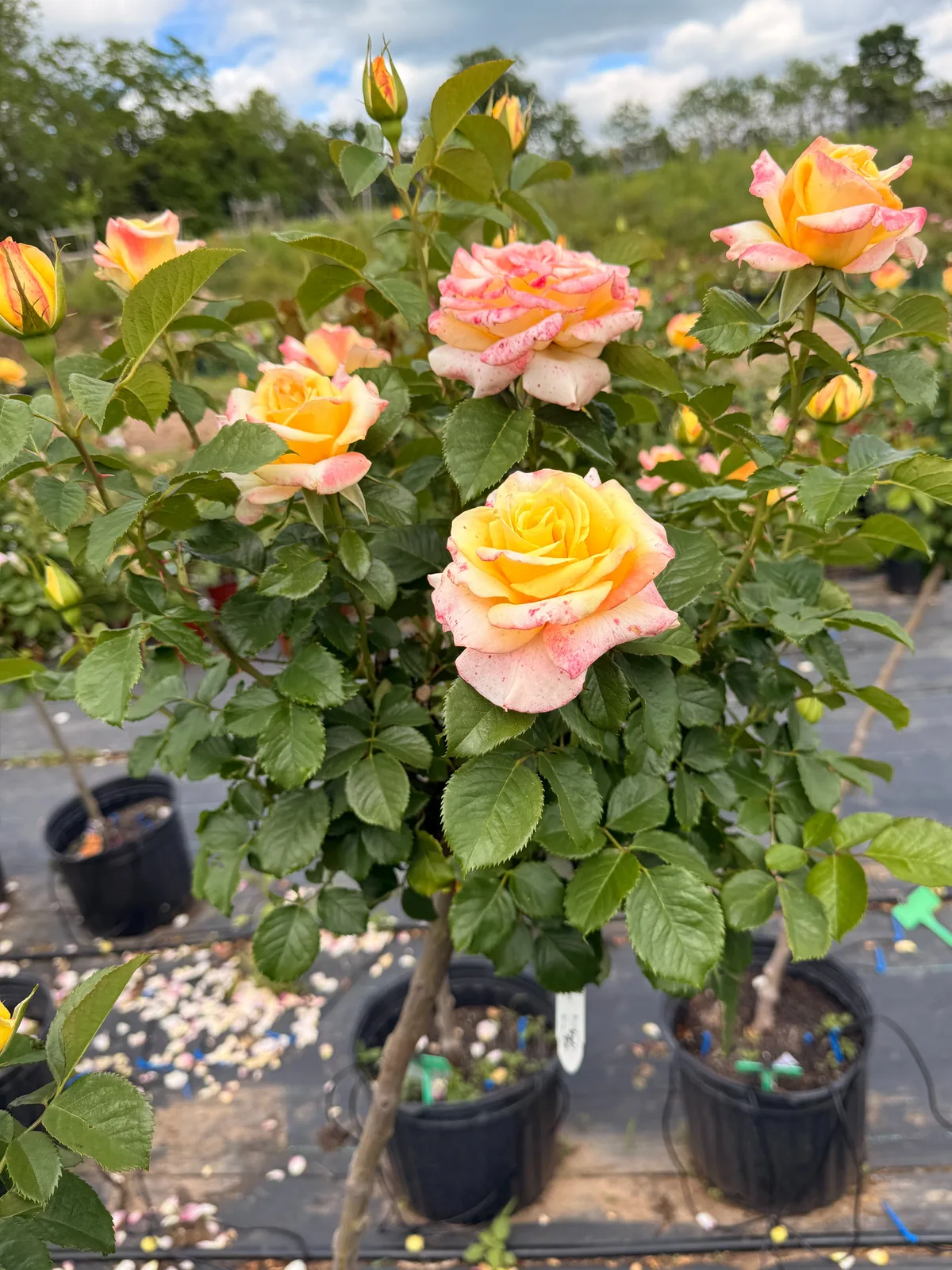
A rose tree is often called a tree rose or standard rose. It is not a true woody tree in the way a maple or serviceberry is. Instead, it is a rose grown or grafted to form a clear upright stem, with the flowering rose canopy held above the ground like a small ornamental tree.
This shape is especially useful when you want height without planting a large shrub. A rose tree can:
- Add vertical structure to a sunny border.
- Lift fragrant blooms closer to eye and nose level.
- Create a formal entrance or patio accent.
- Bring roses into container gardens where ground space is limited.
- Showcase a favourite bloom form, colour, or fragrance.
Because the flowering crown is elevated, rose trees need more thoughtful placement and winter protection than many shrub roses. That does not make them impractical for Ontario gardens, but it does mean local fit matters.
Why a Living Rose Tree Feels Different from Florist Roses
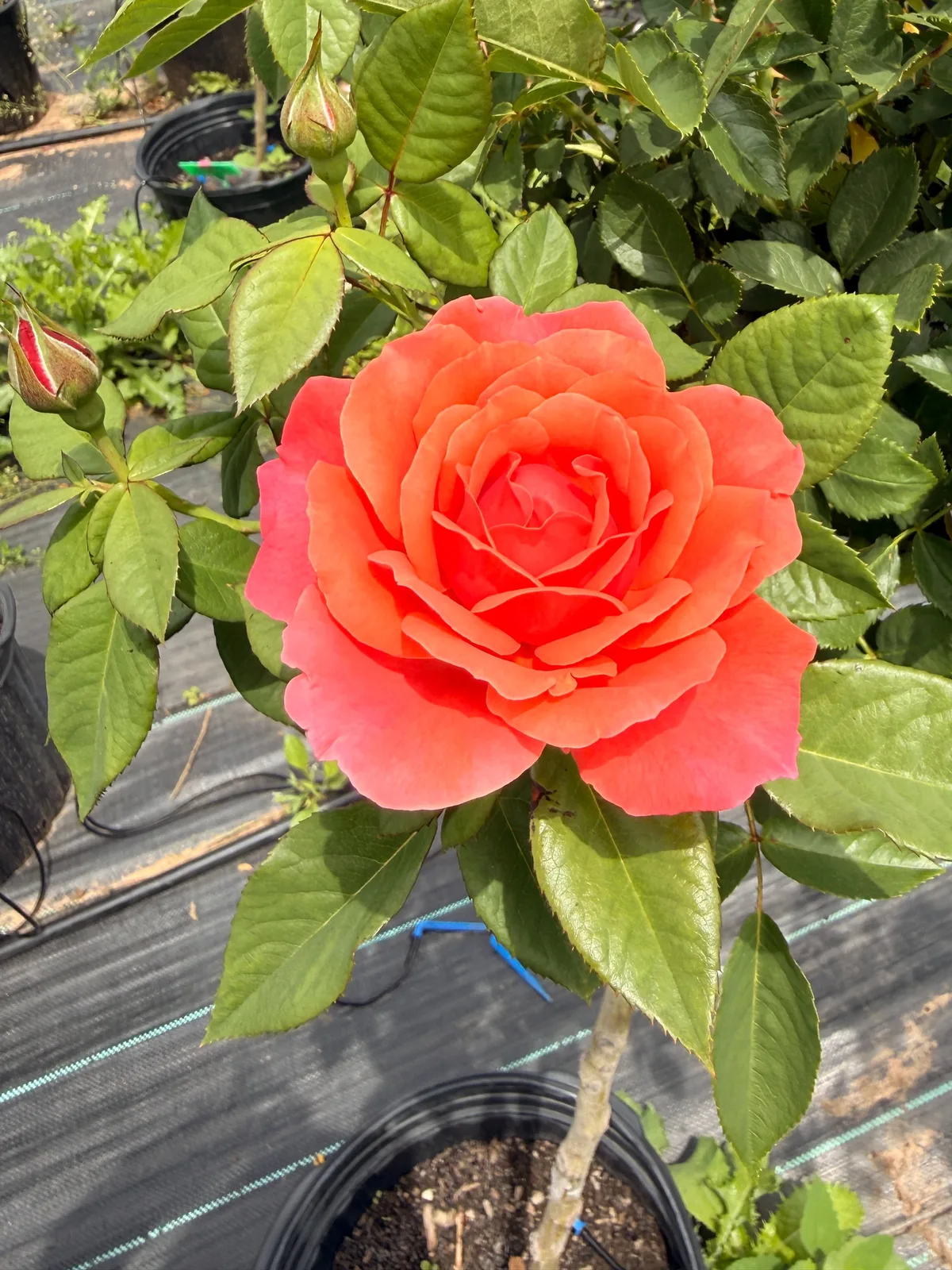
Many people first fall in love with roses through cut flowers. They are beautiful, but they are selected mainly for vase life, shipping strength, and uniform appearance. A living garden rose is different. It can offer changing buds, open blooms, fragrance, repeat flowering, foliage texture, and a seasonal rhythm that cut roses cannot provide.
For a home gardener, the most rewarding rose tree is usually chosen for a combination of traits:
- Fragrance: classic old rose, fruity, tea, myrrh, or spicy notes.
- Repeat bloom: the ability to produce more than one flush when properly cared for.
- Bloom style: cupped, rosette, quartered, high-centred, single, or semi-double.
- Garden presence: whether the plant looks graceful between bloom cycles.
- Hardiness: suitability for the local winter and the gardener's willingness to protect it.
- Rarity: access to varieties not commonly found in big-box seasonal displays.
This is why specialty rose buying is more personal than buying a generic flowering plant. The right rose tree can become a signature feature in your garden.
Choosing a Rose Tree for Oakville, Milton, Mississauga, Thornhill, and West GTA Gardens
Start with Sun, Not Colour
Colour is usually the first thing people notice, but sun exposure is the first thing the rose will notice. Most roses perform best in a location with at least six hours of direct sun. Morning sun is especially useful because it helps dry leaves after dew or rain, which supports healthier foliage.
Before choosing a rose tree, look at the planting spot over a full day. Is it sunny only at noon? Does a fence cast afternoon shade? Does a mature tree compete for moisture? A rose tree in weak light may still grow, but the blooms are often fewer, the stems can stretch, and disease pressure may increase.
Think About Wind and Winter Exposure
A standard rose has its flowering head raised above the snow line. In Ontario, that can expose the crown to drying winter winds and freeze-thaw stress. Oakville and Mississauga gardens may have some lake-moderated pockets, while Milton and other West GTA areas can feel more exposed depending on elevation, wind, and open space. Thornhill gardens vary widely by site, with sheltered backyards performing differently from open corner lots.
A good location for a rose tree is sunny but not punishing. Look for a place with air movement but not constant wind. A south or east-facing position near a wall, fence, or protected garden bed can often be better than an isolated, exposed spot in the middle of a lawn.
Decide Between In-Ground Planting and Containers
Rose trees can work beautifully in large containers, especially near patios, front doors, and walkways. Containers give you design flexibility and may make winter protection easier, but they also require more careful watering and feeding. The container should be large, stable, and able to support the top-heavy form of the plant.
In-ground planting gives roots more insulation and space, but the rose tree must still be protected through winter. For many local gardeners, the best choice depends on how much hands-on care they want to provide. If you enjoy seasonal garden tasks, a container rose tree can be rewarding. If you prefer a lower-maintenance rose, a hardy shrubrose or climber may be a better fit than a standard form.
Fragrance, Repeat Bloom, and Hard-to-Find Varieties
Fragrance Should Be Chosen in Person When Possible
Fragrance is one of the main reasons gardeners seek specialty roses. Some roses smell strongest in warm morning conditions. Others release scent later in the day or only when the bloom is fully open. Two roses can look similar in photos but feel completely different in the garden because of fragrance.
When selecting a rose tree or another living rose plant, think about where you will experience the scent. A fragrant rose near a seating area, gate, or path has more impact than one planted at the back of a deep border. For local buyers, pickup and plant viewing can help connect the online listing with the real plant habit and bloom character when plants are available to see.
Repeat Bloom Matters in a Small Garden
In smaller Oakville, Mississauga, Thornhill, and Milton gardens, every planting space matters. A once-blooming rose can be spectacular, but a repeat-blooming rose often gives better value in a compact landscape. Repeat bloom means the plant can flower in cycles through the growing season when it receives adequate sun, water, nutrition, and pruning.
A rose tree with repeat bloom can serve as a long-season focal point. After the first flush, deadheading and care encourage the plant to reset for future flowers. Results vary by variety and weather, but choosing for repeat bloom is usually a smart move for gardeners who want colour beyond June.
Specialty Roses Are Worth Planning For
Hard-to-find roses are not always available at the exact moment a gardener wants them. That is normal with living plants. Availability depends on production timing, plant health, season, and current inventory. If a specific rose variety is listed as currently available, it can be named and ordered directly. For varieties not currently listed, a request is the better path.
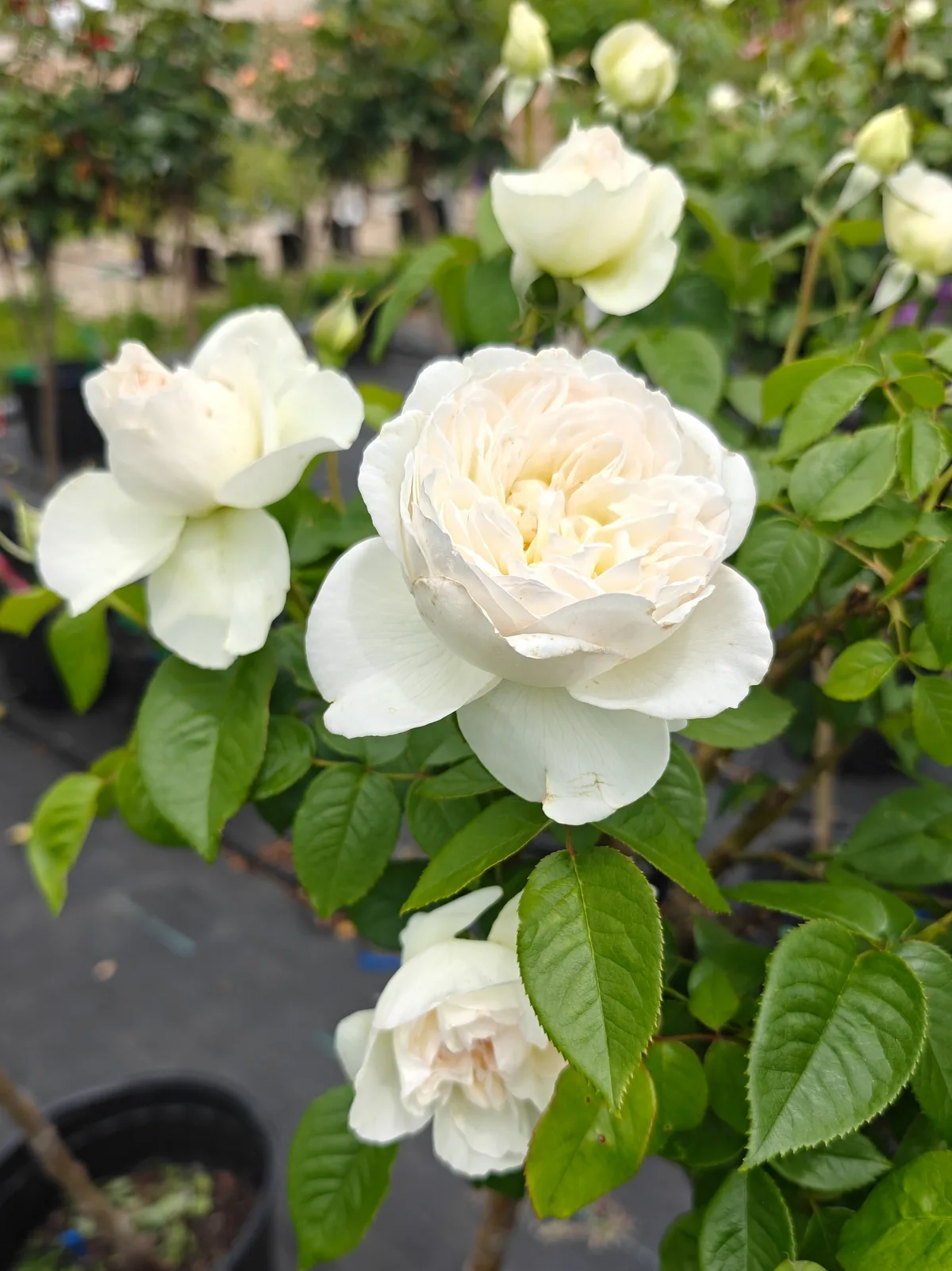
This is especially relevant for collectors, fragrance-focused gardeners, and people looking for a certain look: soft apricot rosettes, deep crimson old-rose fragrance, creamy white blooms, or romantic pink flowers for a cottage-style garden. Browse current living rose plants, explore the David Austin Collection and specialty rose collections, and use the rose request option when you are searching for something specific.
Where a Rose Tree Works Best in the Garden
Front Entrances and Walkways
A rose tree can frame a front entrance without taking over the whole garden bed. A pair of matching plants creates symmetry, while a single specimen can soften stone, brick, or porch steps. Choose a spot with enough clearance so people do not brush against thorns every time they walk by.
Patios and Seating Areas
This is one of the best places for a fragrant rose tree. When the blooms sit at face height, the scent becomes part of the outdoor room. A container rose tree beside a table or bench can feel luxurious, especially when the variety has strong fragrance and repeat bloom.
Mixed Rose Borders
A rose tree can rise above lower perennials, compact roses, lavender, salvia, nepeta, or other sun-loving companions. The key is to avoid overcrowding the base. Roses need airflow, and crowded planting can hold moisture against leaves.
Balcony-Style and Container Gardens
For gardeners with limited ground space, a rose tree may be tempting. The container must be large enough, and the site must be sunny enough. Watering cannot be casual in midsummer; containers dry faster than garden soil. In winter, the container and grafted crown need protection from severe cold and wind.
Basic Care for a Rose Tree in Ontario
Rose tree care is not complicated, but it does reward consistency.
- Plant in full sun with fertile, well-drained soil.
- Water deeply rather than sprinkling lightly.
- Mulch the soil surface while keeping mulch away from the stem.
- Feed during active growth, following rose fertilizer directions.
- Deadhead repeat bloomers to encourage new flowering cycles.
- Prune out dead, weak, crossing, or inward-growing stems.
- Monitor for common rose issues early, before they spread.
- Protect the crown and graft area carefully before winter.
Winter protection is the point many gardeners underestimate. A rose tree's raised crown is more vulnerable than the crown of a shrub rose at soil level. In colder or windier gardens, consider wrapping, sheltering, or moving container plants into a protected unheated space as appropriate for the plant and site. For detailed seasonal guidance, use Rosestyle's rose care resources and choose varieties with your real garden conditions in mind.
How Local Pickup Works for Rosestyle Rose Buyers
Rosestyle serves rose buyers in Oakville, Milton, Mississauga, Thornhill, and the West GTA with a focus on living rose plants rather than generic florist traffic. Current plants and collections can be reviewed online, and pickup information should be checked before planning your visit.
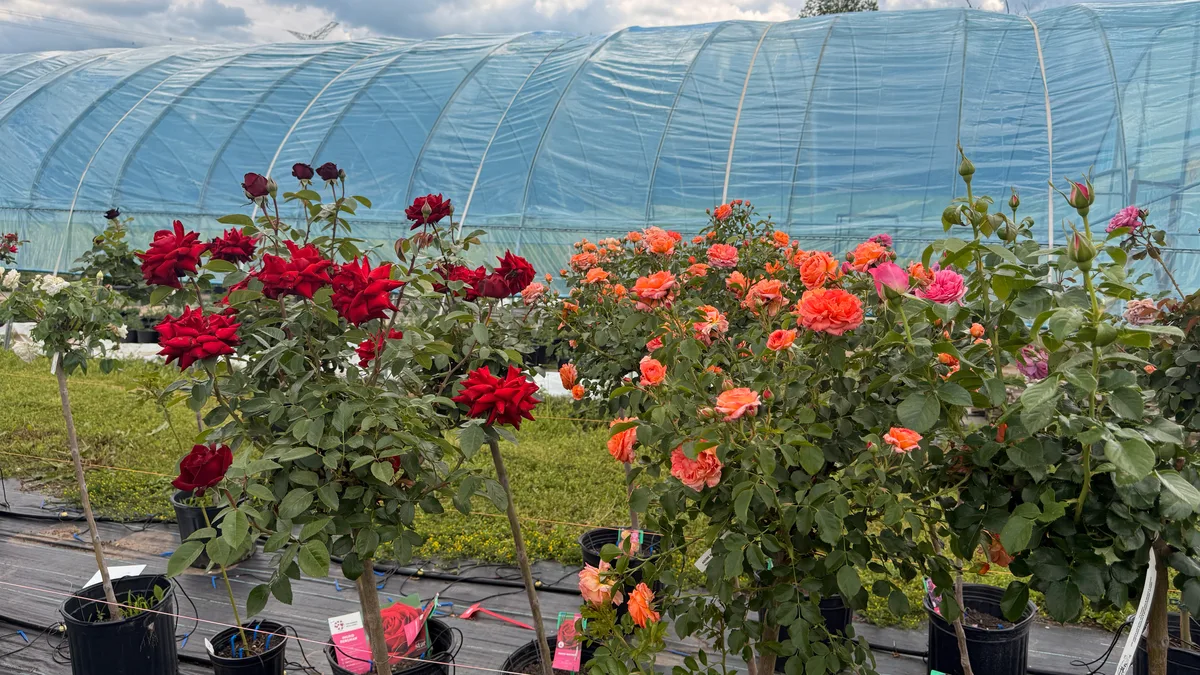
All pickup options are available after the order has been paid. Milton is the exception where visitors may order directly at the public growing site, but visits should still be confirmed by email before coming. This helps ensure the plant you want can be prepared, the visit is appropriate for the season, and the pickup experience is smooth.
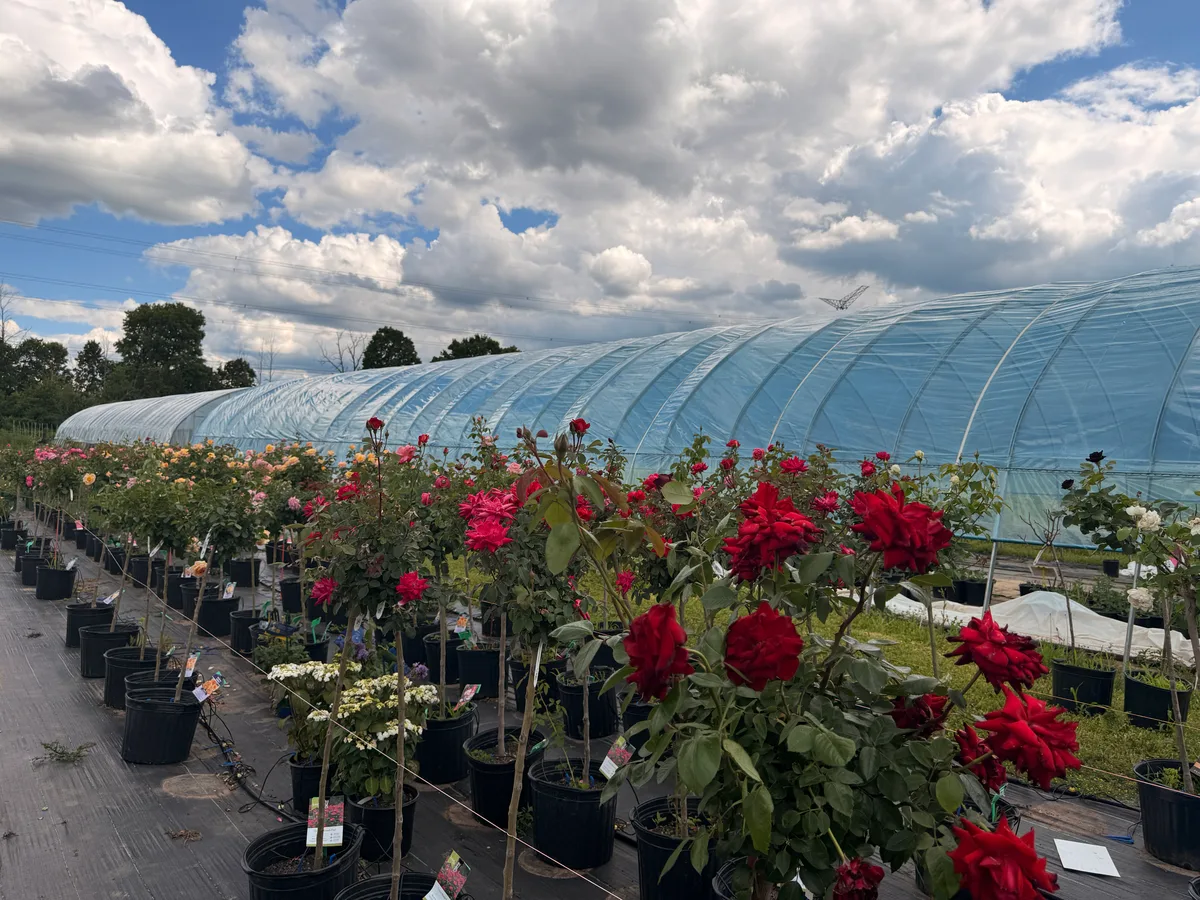
For article pages, the Milton growing site should be treated as a general public plant site rather than a street-address destination. Confirming by email before coming is the best habit, especially when you are hoping to view rose trees, David Austin-style selections, specialty roses, or hard-to-find varieties.
A Rose Tree as a Long-Term Garden Feature
The best rose tree is not chosen only for a single bloom photo. It is chosen for the way it will live in your garden: the scent when you pass by, the repeat bloom after careful deadheading, the height it adds to a sunny bed, and the pleasure of growing a variety that feels special.
For West GTA gardeners, local fit should guide the decision. A sheltered Oakville courtyard, a sunny Mississauga front walk, a Milton garden with open wind, and a Thornhill backyard with mixed light may all need different choices. That is why living rose plants are worth buying with attention to hardiness, fragrance, habit, and care requirements.
If your goal is a garden that feels personal, a rose tree can be a beautiful centrepiece. Choose the right location, give it honest care, protect it through winter, and let it become part of the story of your garden rather than just a seasonal decoration.
Useful next steps
FAQ
Can a rose tree grow well in an Ontario garden?
Yes, a rose tree can grow well in Ontario when planted in full sun, protected from harsh winter wind, watered consistently, and given proper winter protection around the raised crown and graft area.
Is a rose tree the same as a regular rose bush?
No. A rose tree, also called a standard rose, is trained or grafted on an upright stem with the flowering rose canopy above the ground. It gives height and structure but usually needs more winter care than many shrub roses.
What should I look for when choosing a rose tree?
Look for strong plant health, fragrance, repeat bloom, suitable hardiness, a bloom colour you love, and a growth habit that fits your garden or container location.
Are fragrant rose trees good near patios or entrances?
Yes. A fragrant rose tree near a seating area, walkway, or front entrance can be especially rewarding because the blooms are elevated and easier to enjoy up close.
How does Rosestyle pickup work for rose plants?
All pickup options are available after the order has been paid. Milton is the exception where visitors may order directly at the public growing site, but visits should still be confirmed by email before coming.
Publisher
Rosestyle.ca
Rosestyle.ca publishes practical guidance for local buyers choosing living rose plants for pickup and garden use in Ontario.
Last updated Jun 26, 2026