Cultivar overview
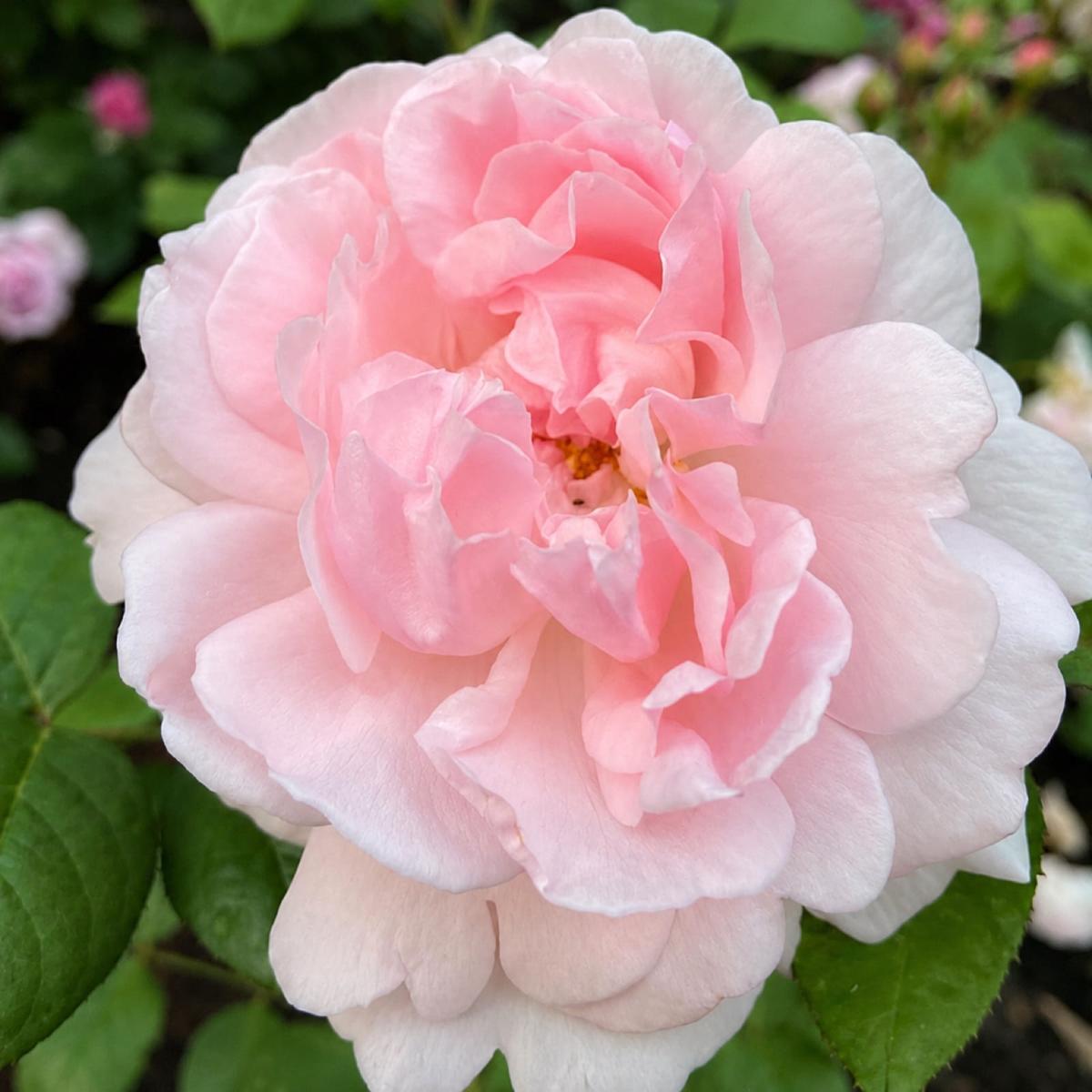
Eglantyne is classified as english shrub rose. It was bred by David Austin. The recorded introduction year is 1994.
David Austin
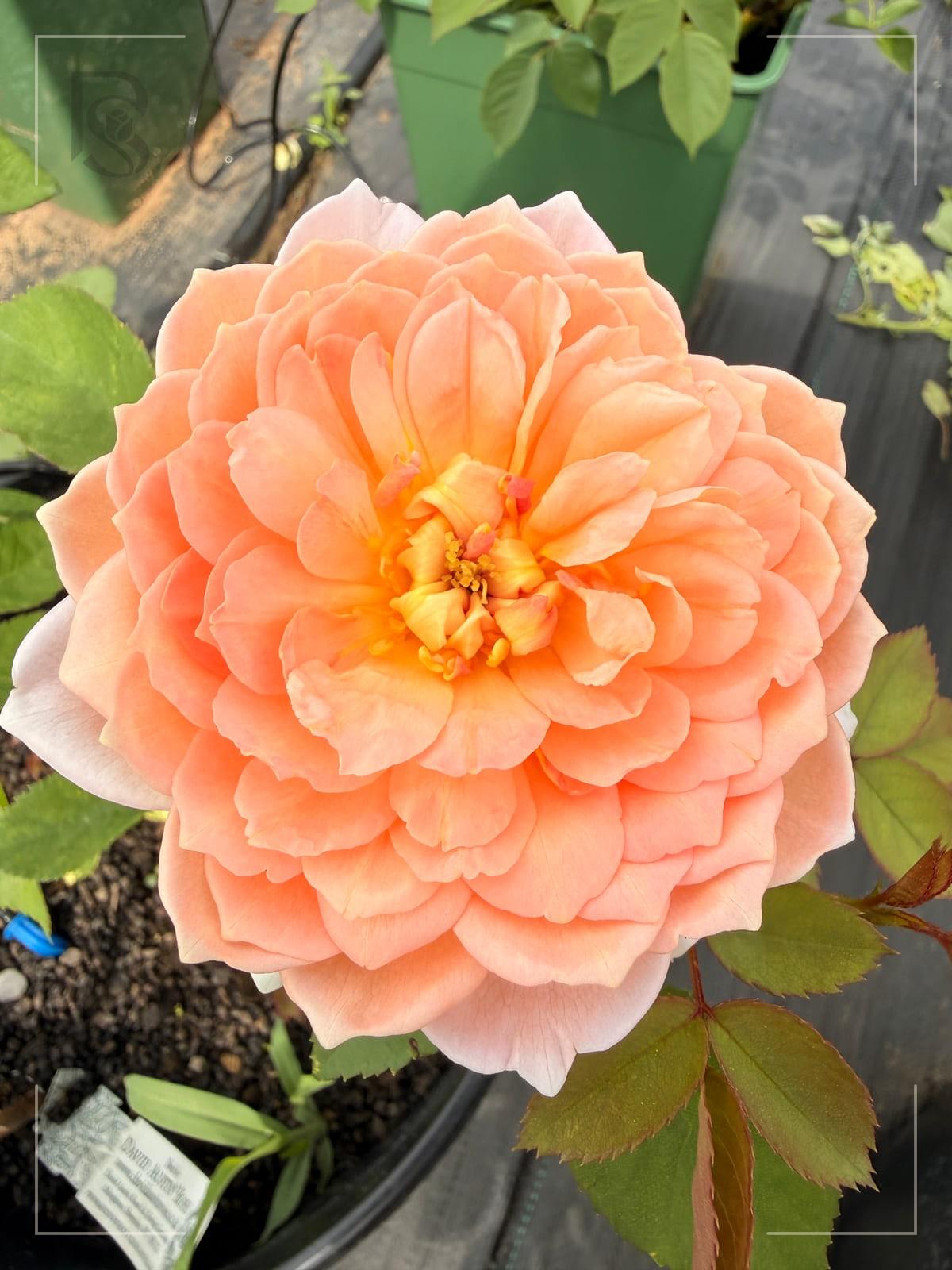
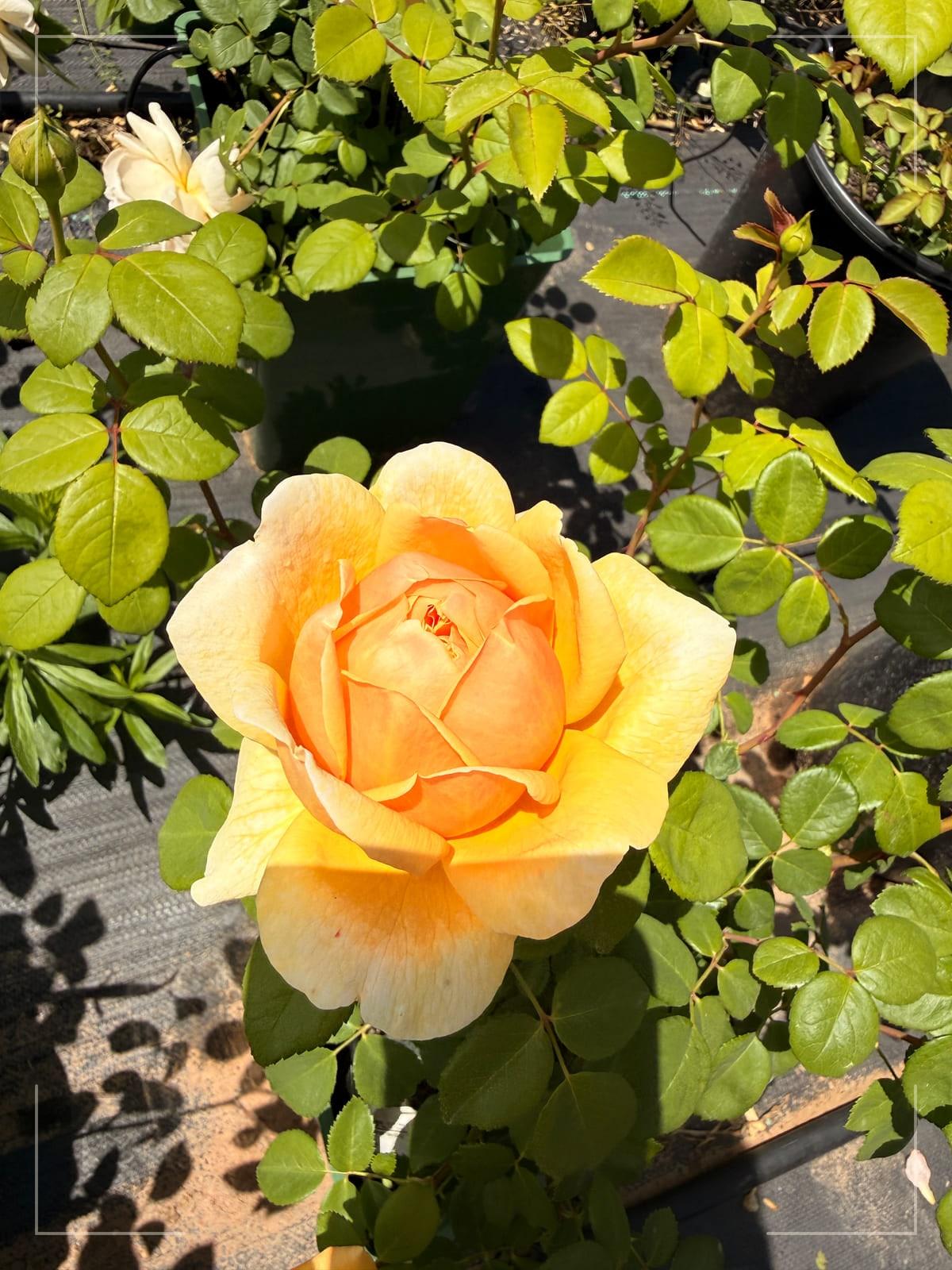
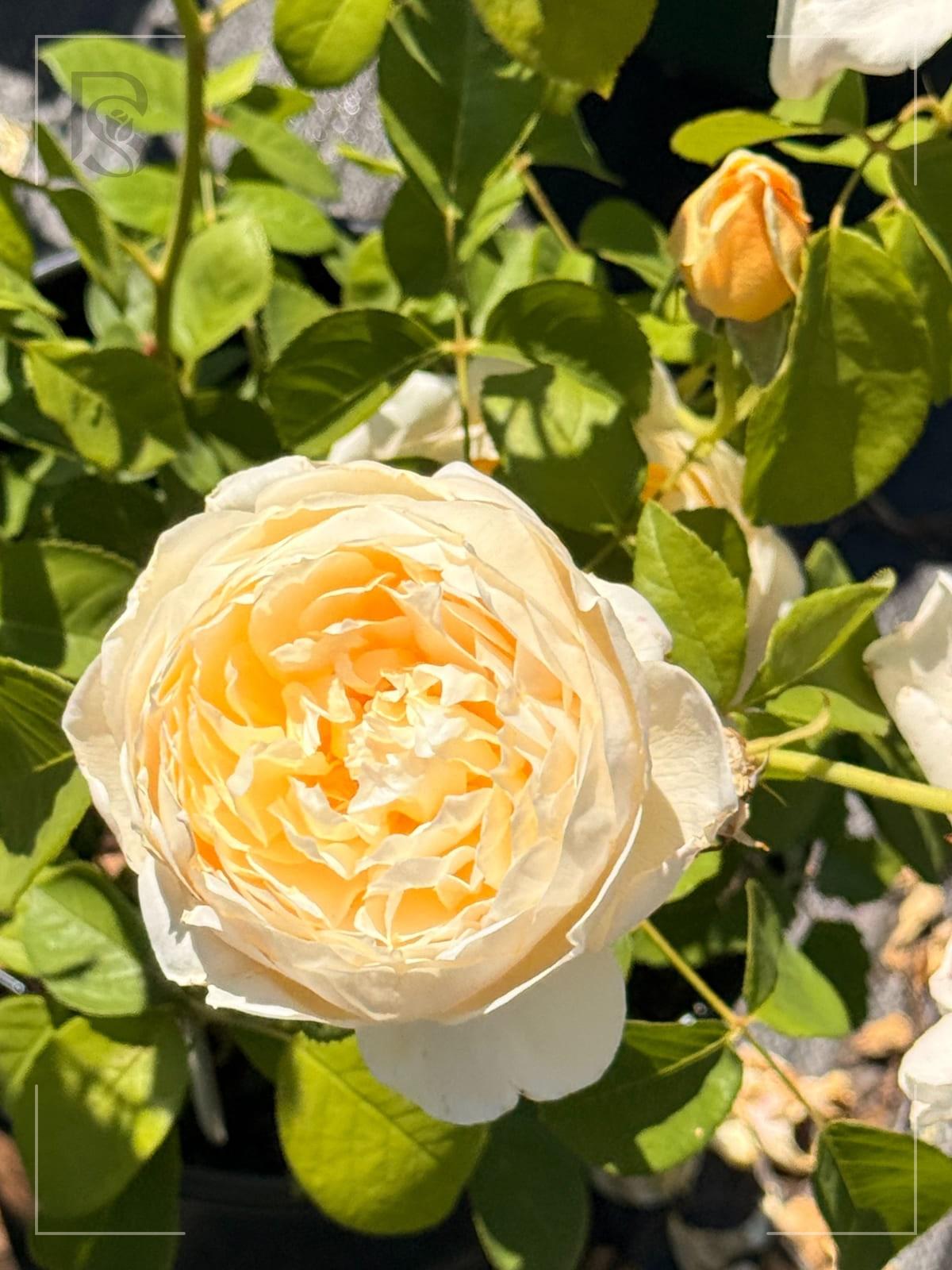
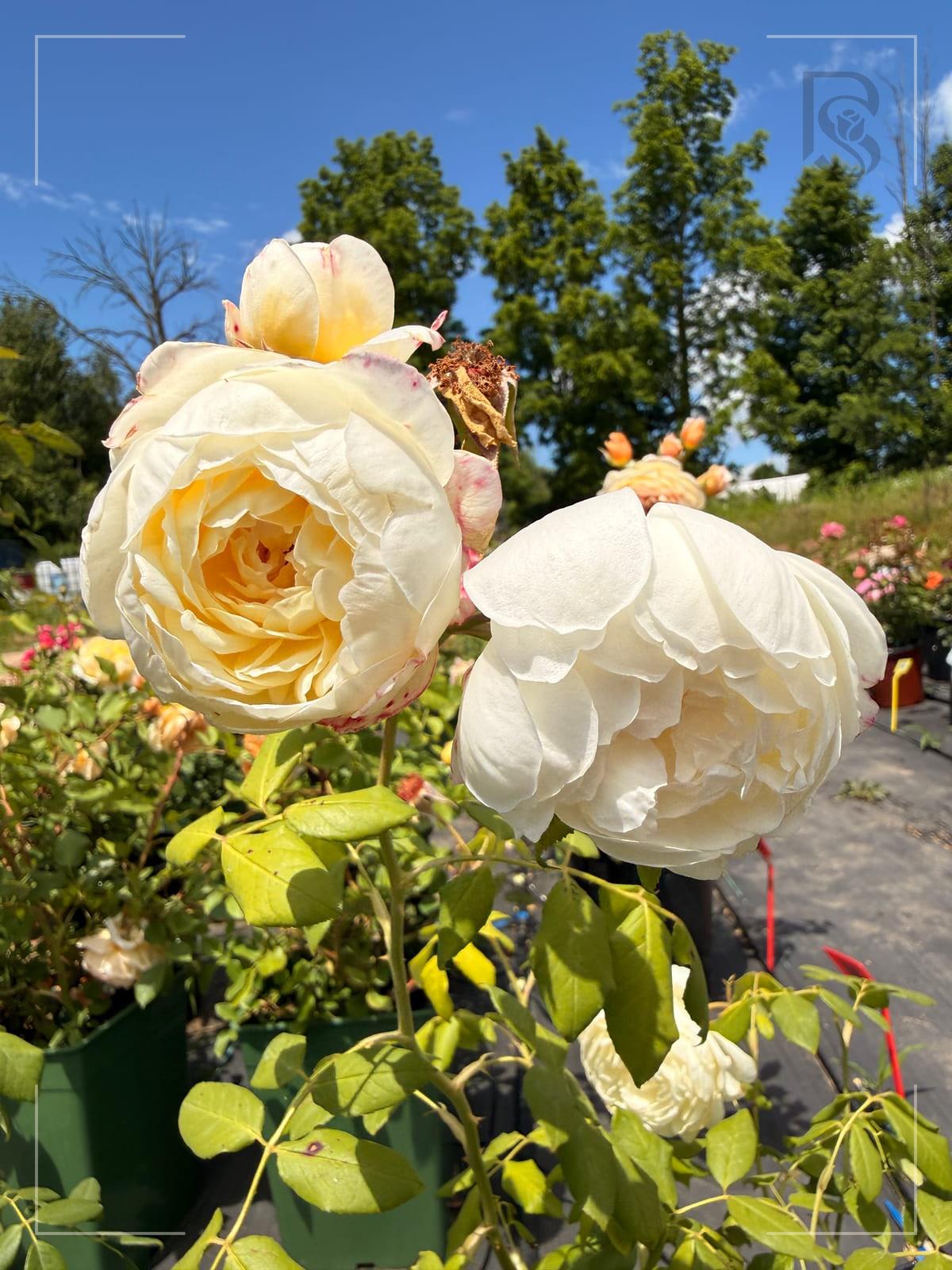
Eglantyne is a english shrub rose. pale pink blooms, Strong: Old Rose, Repeat.
$54.97
Checking pickup inventory...
InventoryChecking pickup inventory...
This specialty rose plant is seasonal and currently request-only; pickup in Oakville, Mississauga, and Thornhill is confirmed when availability returns.
Cultivar description
Eglantyne is classified as english shrub rose. It was bred by David Austin. The recorded introduction year is 1994.
Bloom colour is recorded as pale pink. Mature size is listed at approximately 5 feet high by 4 feet wide. The recorded petal count is 140.
Fragrance is described as strong: old rose. Blooming performance is described as repeat. Hardiness guidance is Zone 5-11.
GTA pickup map
$54.97
$54.97
$54.97
$54.97
$54.97
$54.97
$54.97
$54.97